| Publisher |
Macmillan |
| Publication Year |
2021 |
| ISBN-13 |
9789390742233 |
| ISBN-10 |
9789390742233 |
| Binding |
Hardcover |
| Number of Pages |
288 Pages |
| Language |
(English) |
| Weight (grms) |
380 |
| Subject |
Environmental Science |
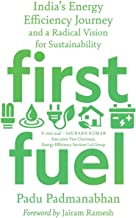
The historic oil crisis of 1973, which permanently altered significant economic policies worldwide, marked a turning point in India’s energy odyssey, putting the country on the path towards energy efficiency. A young energy researcher at the National Productivity Council at the time, Padu Padmanabhan soon found himself at a juncture that would lead him to the many watershed moments of this journey.
Padu Padmanabhan
Padu Padmanabhan joined the National Productivity Council in 1974, followed by a decade at the World Bank, Washington, DC and another at USAID India, which gave him a ringside view of energy programmes in India and the developing world. The post-liberalization years saw him help design some of India’s finest bilateral programmes with the US that leveraged over a billion dollars in developmental investments. He has also served as the former director of the South Asia Regional Initiative on Energy and was responsible for the establishment of several centres of excellence for energy efficiency in India, Sri Lanka and Nepal. He is the recipient of numerous awards including the Global Clean Energy Award (2007) by the Swiss-based Transatlantic 21 and the Energy Manager of the Year (2019) by the Association of Energy Engineers in the US.





Padu Padmanabhan
Macmillan