
Availability: Available
Shipping-Time: Usually Ships 3-5 Days
0.0 / 5
| Publisher | Context |
| Publication Year | 2026 |
| ISBN-13 | 9789371973069 |
| ISBN-10 | 9371973064 |
| Binding | Hardcover |
| Number of Pages | 480 Pages |
| Language | (English) |
| Dimensions (Cms) | 21.6 X 14 X 2.8 |
| Weight (grms) | 586 |
| Subject | History |
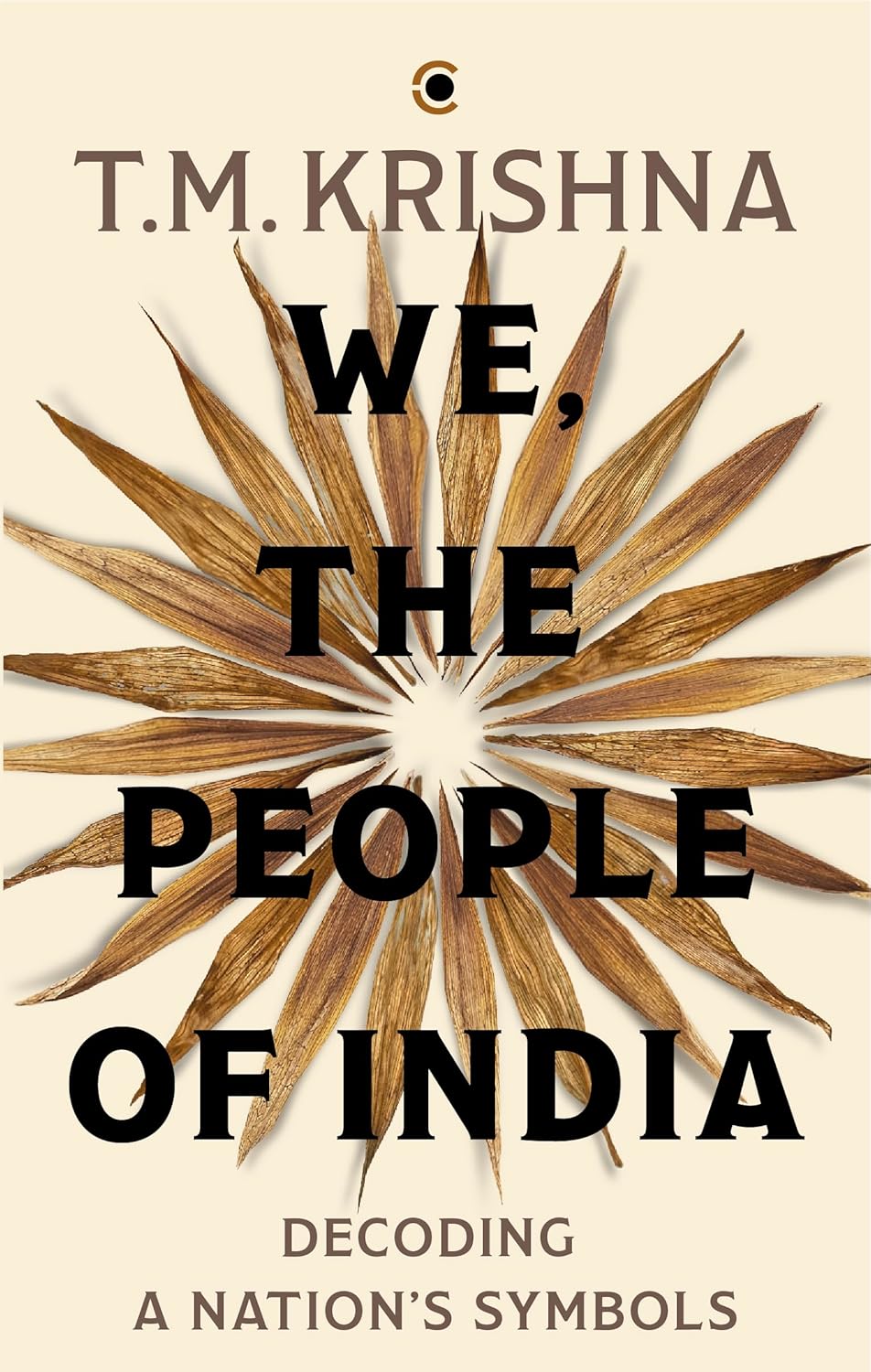
A THOUGHTFUL TRIBUTE TO INDIA'S FOUNDATIONAL PRINCIPLES AND THE ONGOING DIALOGUE THAT SHAPES ITS DEMOCRACY AND IDENTITY. What binds India together is more than geography and history. In his new book, T.M. Krishna examines Indianness and the many ways in which a national identity is shaped. He delves deep into the symbols of India's national identity: the flag, the emblem, the motto, the anthem and the Constitution, revealing how they came to be forged. He also sheds light on the individuals whose choices and struggles shaped these defining symbols. With a deeply reflective and engaging narrative, Krishna reveals the cultural, historical and emotional significance behind these icons, inviting readers to rethink and reconnect with what truly binds India's vast and varied populace together. A thoughtful tribute to India's foundational principles and the ongoing dialogue that shapes its democracy and identity, We, the People of India is a book for today's times. About the Editor Thodur Madabusi Krishna is a vocalist in the Karnatik tradition. Uncommon in his rendition of music and original in his interpretation of it, he is at once strong and subtle, manifestly traditional and stunningly innovative. Krishna is also a prominent public intellectual, writing and speaking on issues of structural inequality and culture. He intervenes musically on current issues, whether it is the deoperationalising of Article 370, the vandalising of a Periyar statue or to save the wetlands. He is the driving force behind the Chennai Kalai Theru Vizha (formerly Urur Olcott Kuppam Vizha) and the Svanubhava initiative. He has been part of inspiring collaborations, such as Chennai Poromboke Paadal, performances with the Jogappas who are traditional transgender musicians, the Karnatik Kattaikuttu that brought together art forms from two ends of the social spectrum, and an enduring poetic partnership with Tamil writer Perumal Murugan.


T.M. Krishna
Context