| Publisher |
Ancient Wisdom Publications |
| Publication Year |
2013 |
| ISBN-13 |
9781936690978 |
| ISBN-10 |
9781936690978 |
| Binding |
Hardcover |
| Number of Pages |
460 Pages |
| Language |
(English) |
| Dimensions (Cms) |
15.2 x 3.02 x 22.9 |
| Weight (grms) |
804 |
| Subject |
Poetry |
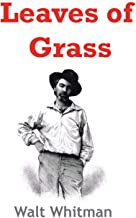
This book is notable for its discussion of delight in sensual pleasures during a time when such candid displays were considered immoral. Where much previous poetry, especially English, relied on symbolism, allegory, and meditation on the religious and spiritual, Leaves of Grass (particularly the first edition) exalted the body and the material world. Influenced by Ralph Waldo Emerson and the Transcendentalist movement, itself an offshoot of Romanticism, Whitman's poetry praises nature and the individual human's role in it. However, much like Emerson, Whitman does not diminish the role of the mind or the spirit; rather, he elevates the human form and the human mind, deeming both worthy of poetic praise. Leaves of Grass has its genesis in an essay called The Poet by Ralph Waldo Emerson, published in 1844, which expressed the need for the United States to have its own new and unique poet to write about the new country's virtues and vices. Whitman, reading the essay, consciously set out to answer Emerson's call as he began work on the first edition of Leaves of Grass
Walt Whitman
Walt Whitman was an American poet, essayist, and journalist, best known for his groundbreaking work Leaves of Grass, which changed the landscape of American poetry. Whitman is often regarded as one of the most important figures in American literature, particularly for his innovation in poetry and his bold celebration of individuality, democracy, and the human experience. His work, which challenged conventional forms and embraced free verse, has had a lasting influence on poetry and the development of American literary identity.








Walt Whitman
Ancient Wisdom Publications