| Publisher |
V&S Publishers |
| Publication Year |
2025 |
| ISBN-13 |
9789357943451 |
| ISBN-10 |
9357943455 |
| Binding |
Paperback |
| Number of Pages |
72 Pages |
| Language |
(English) |
| Subject |
Classic Fiction |
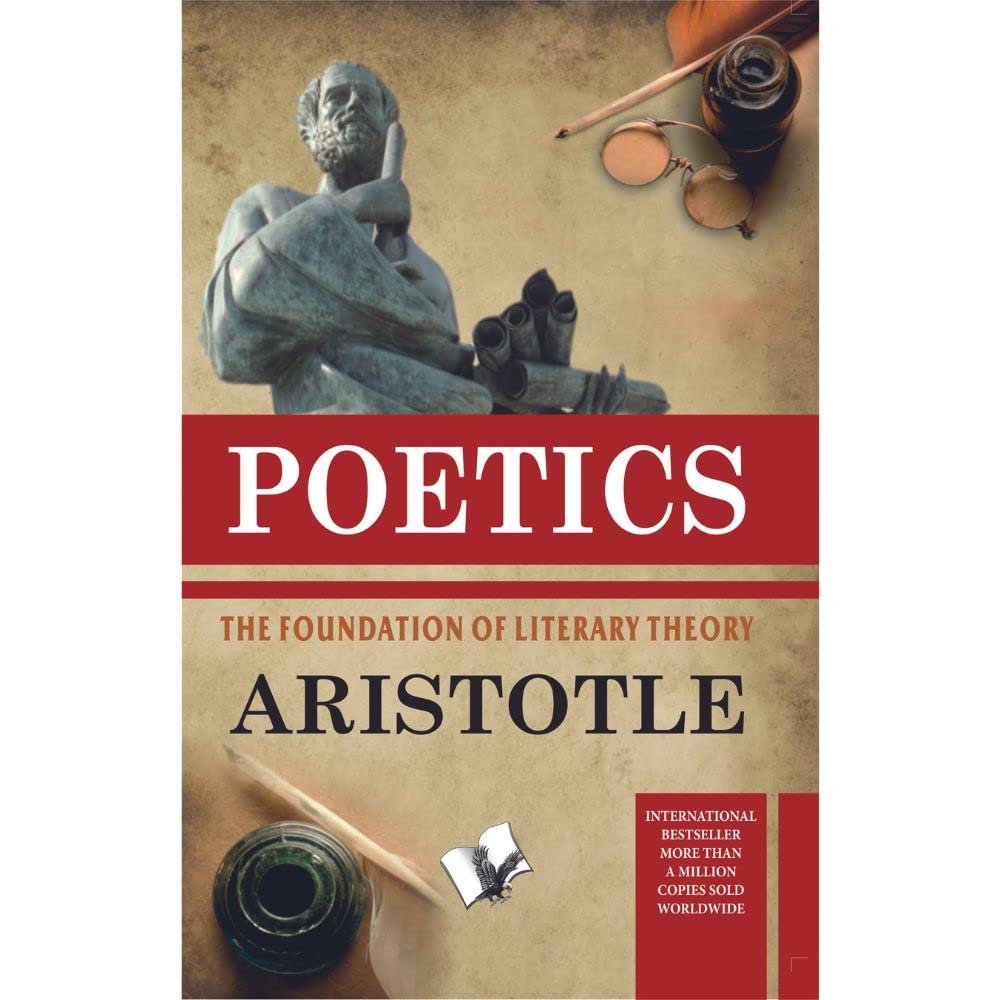
One of the earliest surviving works on dramatic and literary theory, Aristotle’s Poetics is a detailed account of poetic art. Aristotle further classifies it into verse drama, lyric poetry, and epic poetry. Poetics begins with a defense of poetry as opposed to Plato’s criticism of it. Aristotle argues that the mimetic nature of poetry does not make it irrational or incapable of portraying the truth, as Plato suggests. Instead, he sees poetry as a means to improve the existing society, thereby making poets both imitators and creators.
However, the main area of discussion in Aristotle’s Poetics is concerned with Drama and, in extension, Tragedy. While Aristotle discusses Comedy as a relevant genre of verse drama, he places Tragedy at a higher pedestal, even higher than Epic Poetry. The main role of Tragedy, he suggests, is to purge the spectators through catharsis or tragic pleasure by producing a feeling of fear and pity in the spectators. Aristotle gives a detailed explanation of the different elements of a Tragedy that are crucial for catharsis.
Poetics is a detailed account of literary theory that is still used as a crucial reference for modern-day poetry and drama.
Aristotle
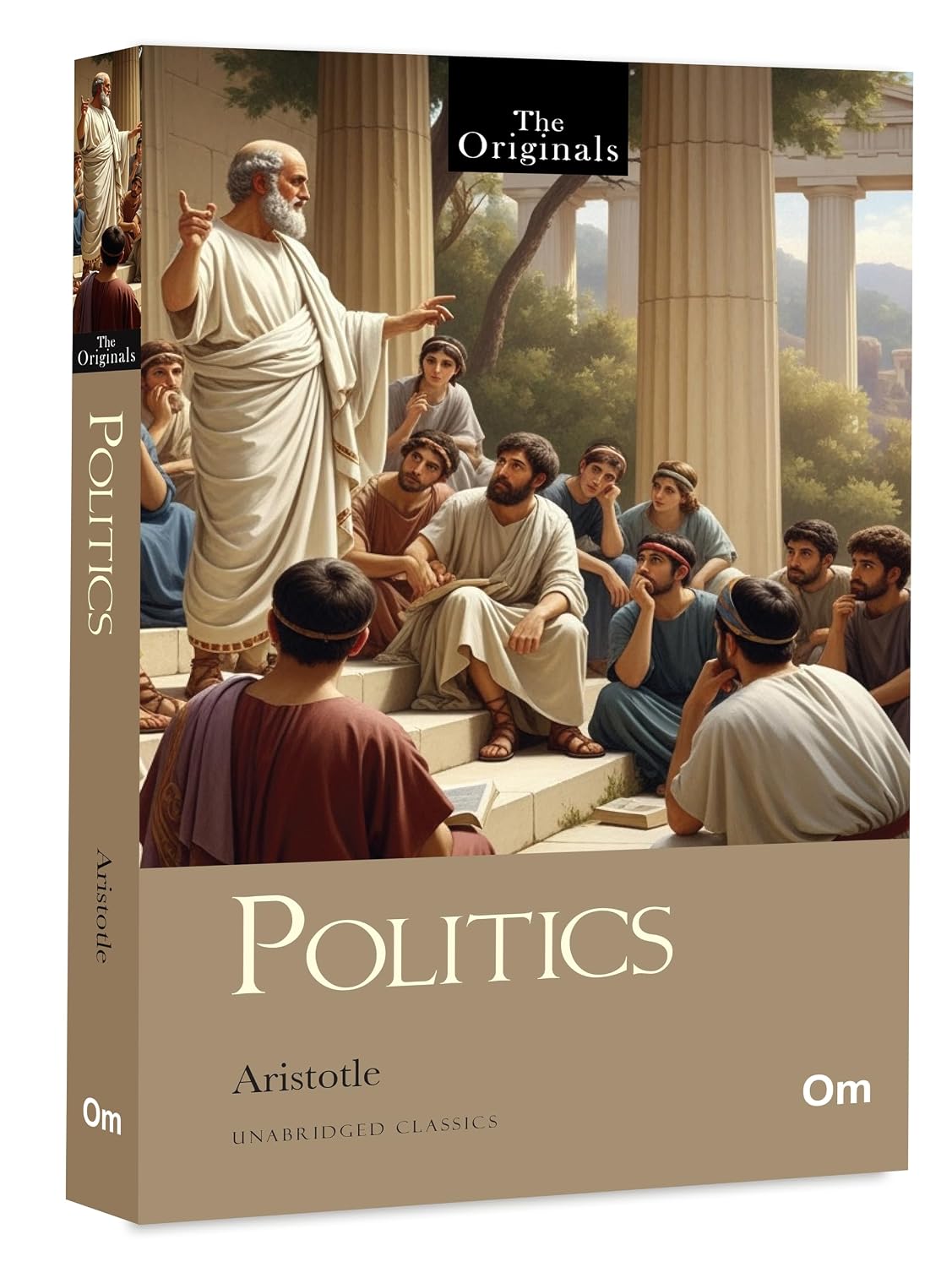
Ancient Greek philosopher, psychologist, moralist, scientist, metaphysician, and pioneer of formal logic, Aristotle was born in 384 BC in Stagira, Chalcidice, Northern Greece. He lost his parents in his childhood, and moved to Athens at the age of seventeen. There he enrolled in Plato’s Academy where he spent almost twenty years, first as a pupil and then as a teacher and writer. Of the dialogues he wrote, only fragments survive. Physics—a work on Western science and philosophy; Metaphysics—a book examining existence; Nicomachean Ethics—a book on Aristotelian ethics; Politics—a work of political philosophy; De Anima (On the Soul); and Poetics—a philosophical treatise on literary theory; are among his important treaties. Poetics is his first extant work of dramatic theory. It has been guiding playwrights for centuries now, and still continues to remain a powerful benchmark for literary evaluation. Poetics and Rhetoric are Aristotle’s remarkable contributions to literary criticism. He continues to remain a notable intellectual figure of Western history.




Aristotle
V&S Publishers