| Publisher |
Rajkamal Prakashan |
| Publication Year |
2024 |
| ISBN-13 |
9789360866846 |
| ISBN-10 |
9360866849 |
| Binding |
Hardcover |
| Number of Pages |
248 Pages |
| Language |
(Hindi) |
| Subject |
Indian Writing |
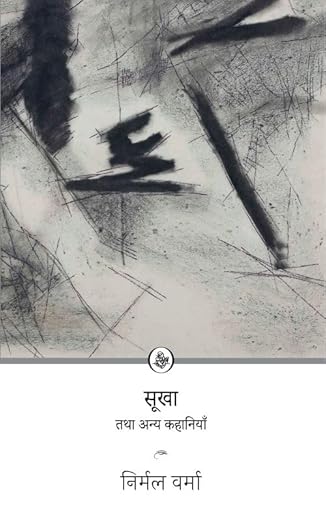
निर्मल वर्मा की ‘सूखा’ कहानी ने अपने समय में कई तरह की बहसों को जन्म दिया था जिनमें एक यह भी थी कि इस कहानी के रूप में निर्मल जी ने एक नई कथा-भूमि, अनुभव के एक नये इलाक़े में प्रवेश किया है। इस संग्रह (प्रथम प्रकाशन 1995) की अन्य कई कहानियों को भी अध्येताओं और पाठकों ने इसी दृष्टि से देखा। ये निर्मल जी की कथा-यात्रा में नये मोड़ का संकेत देती हैं। ‘सूखा’ में मध्यवर्गीय ज़िन्दगी के अंधकार, घुटन और भावनात्मक सूखे को उन्होंने गहरी संवेदनशीलता के साथ अभिव्यक्त किया है। निर्मल जी की कथा संवेदना शुरू से ही विशिष्ट रही है। वे नई कहानी के प्रथम नागरिक हैं। छठे दशक में हिन्दी कहानी को नया रूप देने में उनकी ऐतिहासिक भूमिका रही। कहानियों के सर्वथा नये कथ्य और शिल्प के द्वारा उन्होंने हिन्दी कहानी को एक नई ज़मीन दी, जिसे यथार्थ के सूक्ष्मतर पक्ष को अंकित करने की सामर्थ्य के लिए जाना गया। मानव-सम्बन्धों के कई रूप उन्होंने सबसे पहले रेखांकित किये, जिसके केन्द्र में उनके भीतर निहित ऊब, वितृष्णा और संत्रास था। इसके लिए जिस साहस की ज़रूरत थी, उसे उन्होंने अकसर तीखी आलोचनाओं के सामने भी नहीं छोड़ा। उनकी कहानियों में हम अपना ही जीवन बार-बार घटित होता हुआ देखते हैं और हर बार नये सिरे से जीवन-स्थितियों की पहचान गहरी होती चलती है।
Nirmal Verma
Nirmal Verma (1929–2005) pioneered the Nayi Kahaani movement in Hindi literature in the late 1950s with his iconic story \'Parinde\'. He developed a characteristic style which used rich, realistic description as a mirror of the inner life. He wrote five novels, eight collections of short stories and nine volumes of essays and travelogues. Following his work at the Oriental Institute in Prague in the 1960s, he undertook direct translations of contemporary Czech writers such as Milan Kundera, Bohumil Hrabal and Vaclav Havel into Hindi, much before their work became popular internationally. A much-loved and well-decorated writer, his honors include India\'s highest literary award, the Jnanpith (2000), India\'s third-highest civilian award, the Padma Bhushan (2003) and the Sahitya Akademi award for lifetime achievement (1985).



Nirmal Verma
Rajkamal Prakashan