| Publisher |
V&S Publishers |
| Publication Year |
2025 |
| ISBN-13 |
9789357943468 |
| ISBN-10 |
9357943463 |
| Binding |
Paperback |
| Number of Pages |
304 Pages |
| Language |
(English) |
| Subject |
Classic Fiction |
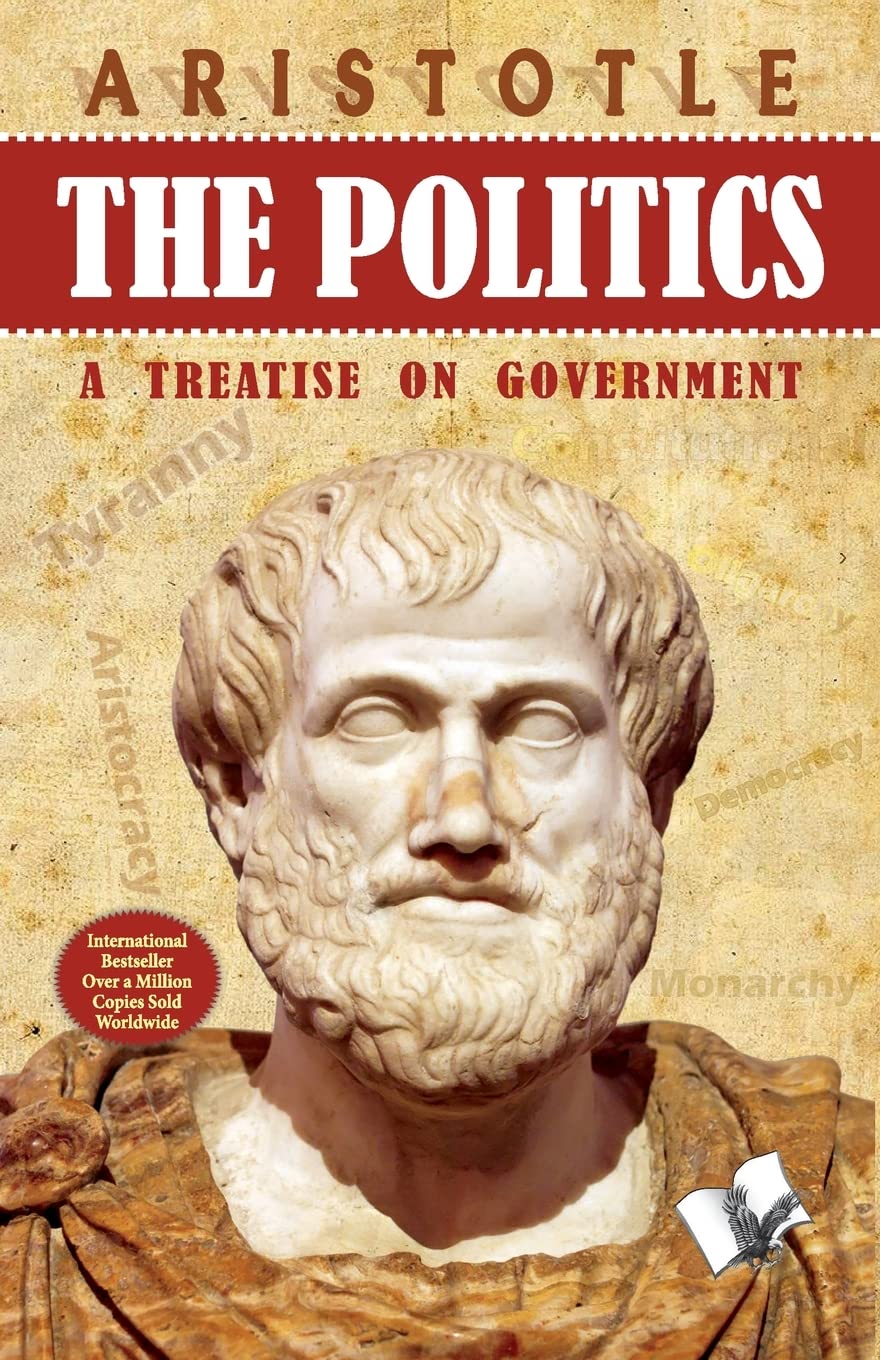
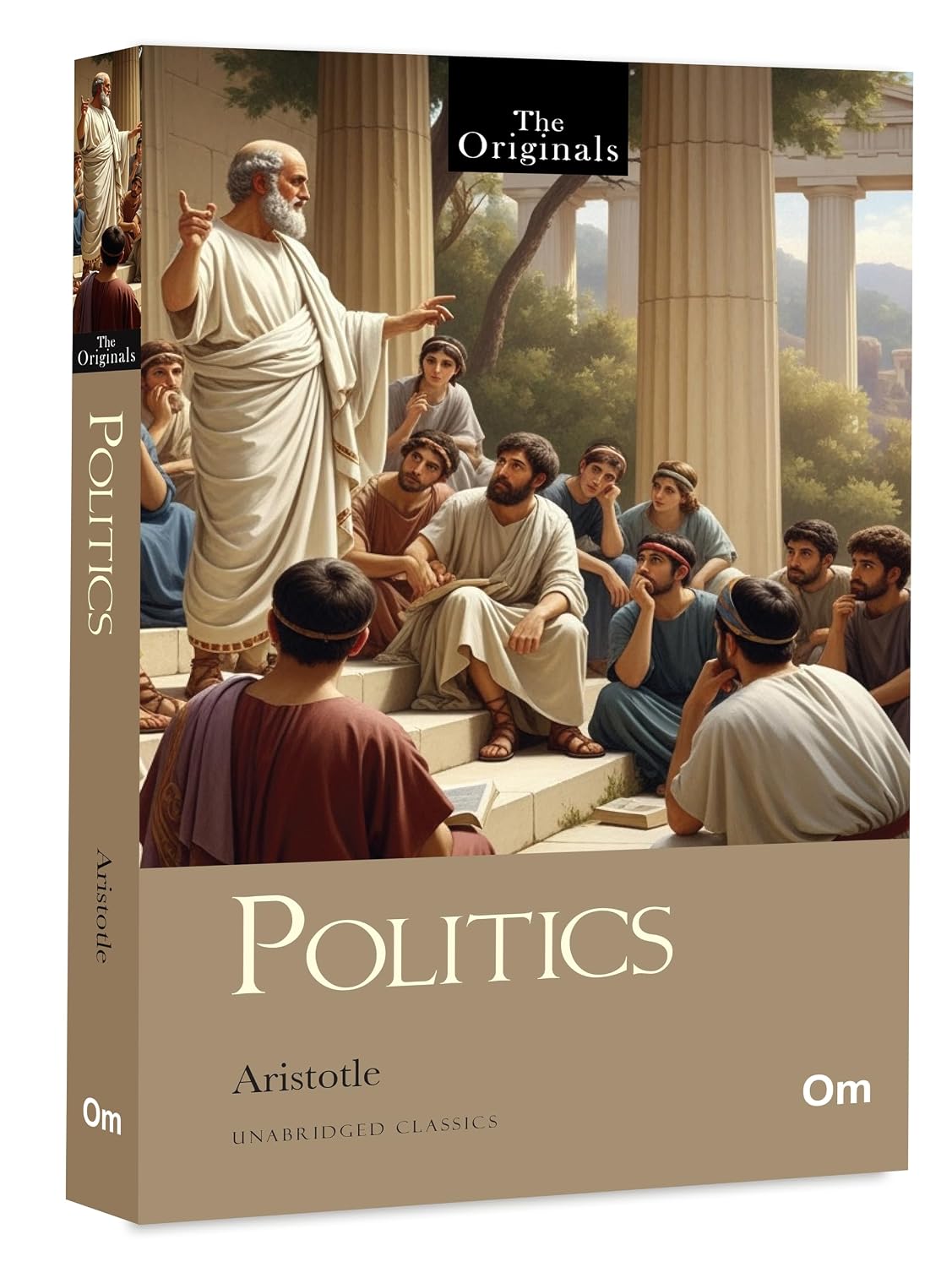
The Politics of Aristotle is the second part of the treatise written by Aristotle, of which Ethics is the first part. Aristotle believed that Politics follows Ethics as a general rule. He believed that Ethics are necessary for a human being to live a fulfilling life, but he also thought that they are not enough to live a fruitful life. In this part of his treatise, he expands on the notion that Politics isn’t a struggle for power or order. Instead, it is a study of the existing institutions without judgment and without looking to change it.
According to Aristotle, this is what makes Politics and Government stable and valuable. Any other expectation in terms of making these two entities perfect only leads to dissatisfaction due to impracticability. Like his mentor and teacher, Plato, Aristotle wasn’t a proponent of the concept of democracy. This treatise contains descriptions of democracy, oligarchy, and the stately constitution as being a healthy mix of the two, with each book being either idealist or realist – never both at the same time.
Aristotle
Ancient Greek philosopher, psychologist, moralist, scientist, metaphysician, and pioneer of formal logic, Aristotle was born in 384 BC in Stagira, Chalcidice, Northern Greece. He lost his parents in his childhood, and moved to Athens at the age of seventeen. There he enrolled in Plato’s Academy where he spent almost twenty years, first as a pupil and then as a teacher and writer. Of the dialogues he wrote, only fragments survive. Physics—a work on Western science and philosophy; Metaphysics—a book examining existence; Nicomachean Ethics—a book on Aristotelian ethics; Politics—a work of political philosophy; De Anima (On the Soul); and Poetics—a philosophical treatise on literary theory; are among his important treaties. Poetics is his first extant work of dramatic theory. It has been guiding playwrights for centuries now, and still continues to remain a powerful benchmark for literary evaluation. Poetics and Rhetoric are Aristotle’s remarkable contributions to literary criticism. He continues to remain a notable intellectual figure of Western history.



Aristotle
V&S Publishers